13 November 2025 at 13.30pm
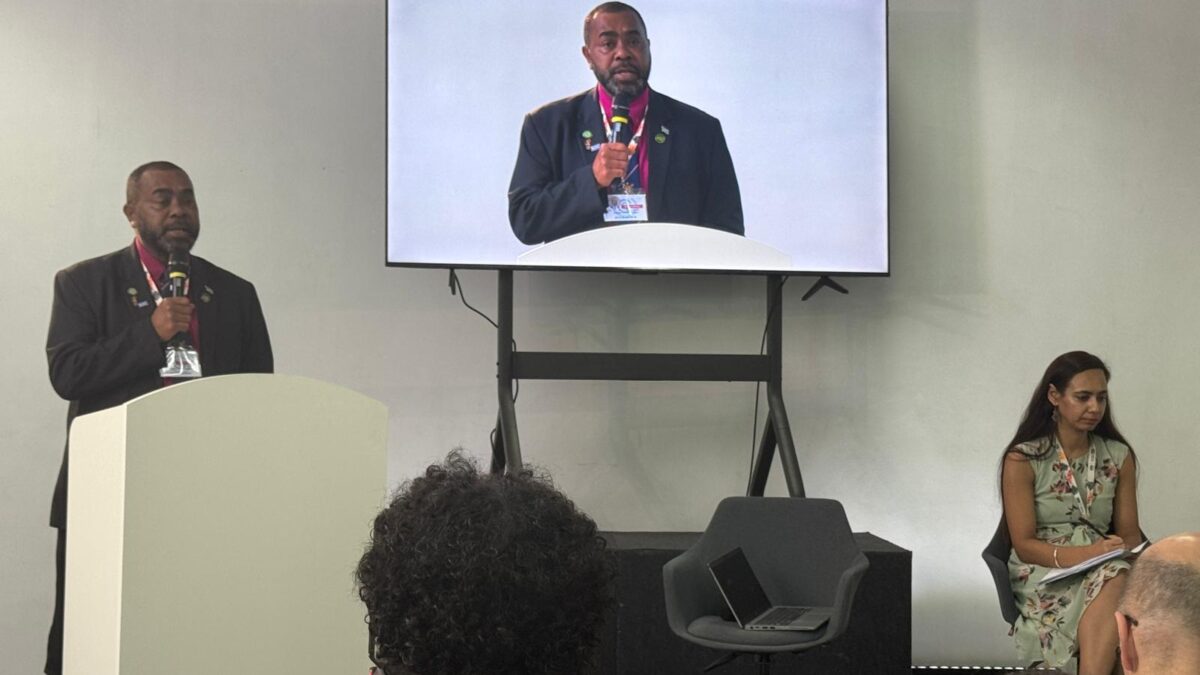
Special Event Room Tapajos
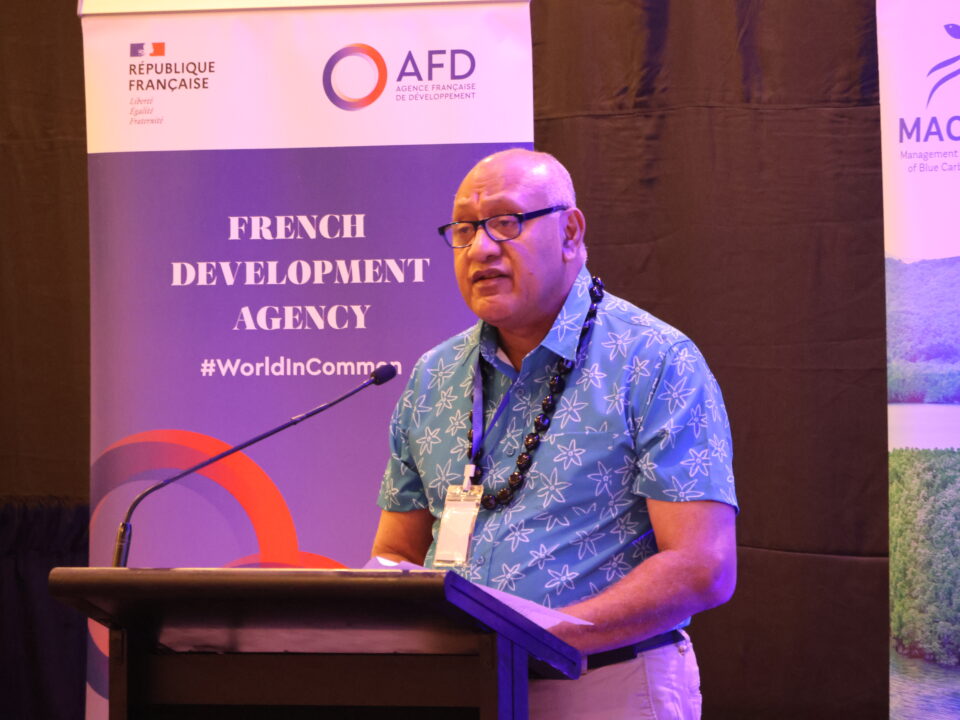
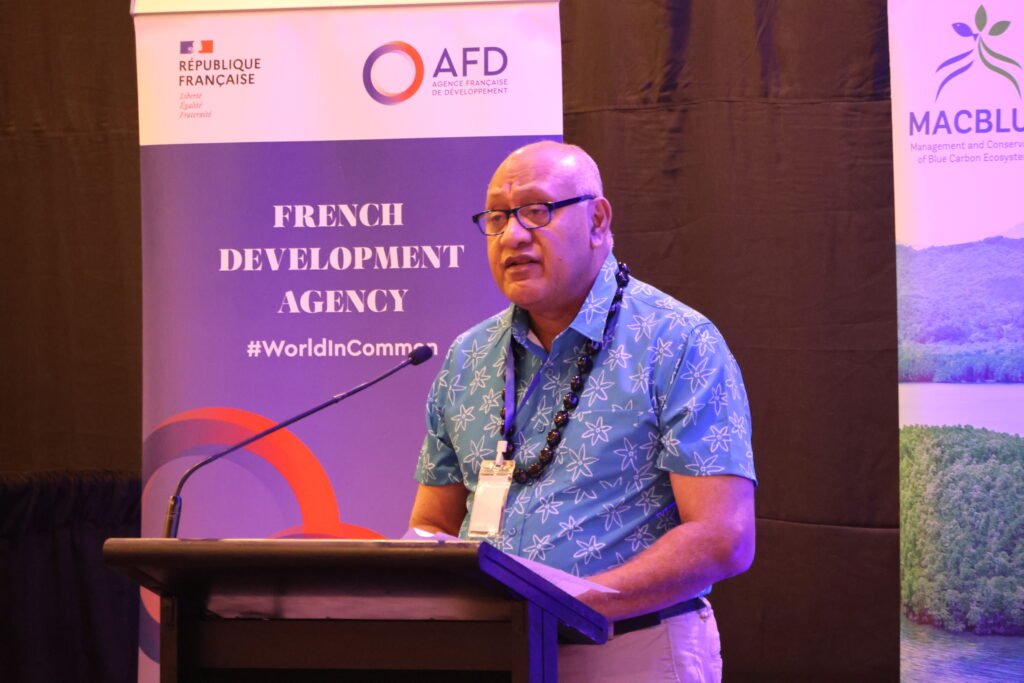
AOSIS Statement – Delivered by Fiji as AOSIS Oceans Champion
Excellencies, co-facilitators, ladies and gentlemen
Fiji has the honor to deliver these remarks on behalf of the Alliance of Small Island States.
AOSIS actively participated in the ocean and climate change dialogue held during SB62 and were pleased to receive the report. We thank the co-facilitators for the excellent work in summarizing the proceedings and drawing out some key recommendations including on NDCs; GGA indicators; strengthening coordination; and finance. This is a valuable outcome for all of us.
Our thematic coordinators on mitigation, finance, adaptation, and others have taken up these recommendations to see how they can fit in with the draft decisions being considered here in Belem.
For Small Island Developing States, the ocean is our lifeblood. It sustains our economies, nourishes communities, and shapes cultures. It carries the heritage, values, and wisdom that have guided our peoples for generations. It is also our first line of defense against the climate crisis. The ocean absorbs over ninety percent of excess heat from human activity, produces half the oxygen we breathe, and captures a quarter of global carbon dioxide emissions.
Despite this critical role in climate action, the ocean isn’t anchored fully in the UNFCCC process.
Furthermore, Ocean-based climate solutions remain critically underfunded. SDG 14, the ocean goal, receives only 0.01 percent of all development funding. Realizing the ocean’s potential for emissions reductions will require substantial investment in sustainable ocean solutions that have environmental integrity.
COP30 can serve as a key moment for oceans. Elevating the ocean within the UNFCCC is fundamental to achieving the Paris Agreement goals and protecting people whose lives and livelihoods are intertwined with the ocean.
We welcome and commend the many Parties that are placing the ocean at the heart of this round of NDCs. Many countries, including SIDS, have already taken up this call. Recognizing and scaling these efforts is critical to maintaining momentum.
The 2025 Ocean and Climate Change Dialogue report provides a strong summary of discussions and as mentioned some very pertinent recommendations. These must now be made operational and results oriented. Incorporating scientific evidence with local expertise and traditional practices enhances both the relevance and success of our collective efforts.
Ocean-based adaptation must be central. For islands, adaptation begins at the shoreline. Reefs, mangroves, and wetlands guard against storms, sustain fisheries, and anchor communities. Restoring them supports adaptation, food security, and dignity — but sustained finance is essential to scale these solutions.
For AOSIS, challenges remain in securing support to deploy ocean-related renewable energy mitigation and adaptation technologies. There is also an urgent need to enhance ocean observing systems to monitor multiple climate stresses, ensuring those systems incorporate and respect indigenous and local knowledge systems, best achieved by working with regional organizations in SIDS and other coastal regions.
We must strengthen cooperation among regions. The SIDS Centre of Excellence, the enduring legacy of the fourth SIDS Conference, provides a platform for governments, partners, and civil society to share knowledge, develop solutions, and mobilize finance, including for ocean initiatives in SIDS. There are also regional centers that focus on ocean science, coral reefs and on ocean acidification. We must empower their collaboration.
The challenges faced by island and coastal nations are shared, as are the solutions. Let us aim for outcomes that do more than acknowledge the ocean by embedding it across agenda items.
The ocean connects us all. It has shielded humanity from the worst impacts of climate change. COP30 must be the moment we move from recognition to action. For AOSIS, this is the essence of climate justice: a future where our people can live with security and dignity, where indigenous people and local communities can thrive, and where the ocean continues to sustain us all.
Thank you.